Medicine and Oral and Maxillofacial Surgery: Medicine and Oral and Maxillofacial Surgery


The possible true origin of the transfacial methodology
CELEBRATIN THE GOLDEN ANIVERSARY OF ANTERIOR SKULL BASE SURGERY: REFLECTIONS OF THE PAST 50 YEARS AND ITS HISTORICAL EVOLUTION
Open Access Atlas of Otolaryngology, Head & Neck Operative Surgery

The possible true origin of the transfacial methodology
The real origin of transfacial methodology
The Facial Translocation Approach for Management of Head and Neck Cancer
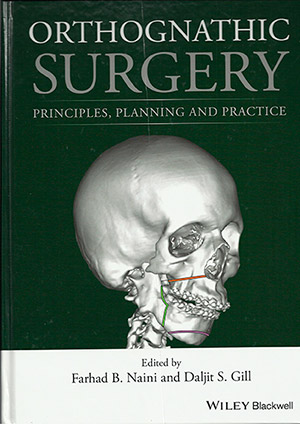
ORTHOGNATHIC SURGERY
PRINCIPLES, PLANNING AND PRACTICE
Chapter 43: Neurosurgical Access Surgery
(Para buscar los interesados, en el Libro que lo disponga Materialmente)
Pages: 687, 688 Y 689 (Chapter 43) y las relacionadas a través de Submental Intubation de- Chapter: 14, 22, 25
XXII Congress of the European Association for Cranio-Maxillo-Facial SurgeryXXII Congress of the European Association for Cranio-Maxillo-Facial Surgery
XXII Congress of the European Association for Cranio-Maxillo-Facial Surgery, held in Prague, Czech Republic:27-26 September 2014 -Prague Congress Center-
Poster 1:
Poster 2
Poster 3
“PHOTOGRAMMETRY, IMPLANT EDIGITAL IMPRESSION”XXII Congress of the European Association for Cranio-Maxillo-Facial Surgery, held in Prague, Czech Republic:27-26 September 2014 -Prague Congress Center-
Poster 1:
Poster 2
Poster 3
The most outstanding articles of 2013, commented on REMI
Below we present the most outstanding articles of 2013, commented on REMI. Concretely article no 8 and no. 10 comments Dr.. Hernández Altemir
- Supplementary parenteral nutrition to optimize caloric intake in critically ill patients
- Association between hydroxyethyl-starches, mortality and kidney failure. A meta-analysis
- Fibrinolysis or transfer for primary angioplasty in acute myocardial infarction with ST elevation
- REDOX study. Glutamine in critically ill patients. What do we do now?
- Prone position started early increases survival in severe ARDS
- Central venous pressure does not predict volume response.
- Bacteremia Zero Project (PBZ): results
- Oral hygiene in the prevention of pneumonia associated with mechanical ventilation
- High volume hemofiltration in septic shock
- Hypothermia versus normothermia after out-of-hospital cardiac arrest
Related Video: A father documents the first year of life of a premature baby
Vídeo relacionado con el Artículo 10 titled:
Fuente: Yahoo.com
¿G(n): TNM (*)…? y / o ¿TNM?
Consider reading, study, compare and possibly apply in your clinical and research practice, the applicative methodology of:
“Proposal for the application of the new terms Accessibility (a) and Inaccessibility (i) in the classic and recognized TNM staging and in what we call G(n): TNM (*)…” y decida, freely! and if you think, he tells us,…in: drhernandezaltemir@yahoo.es
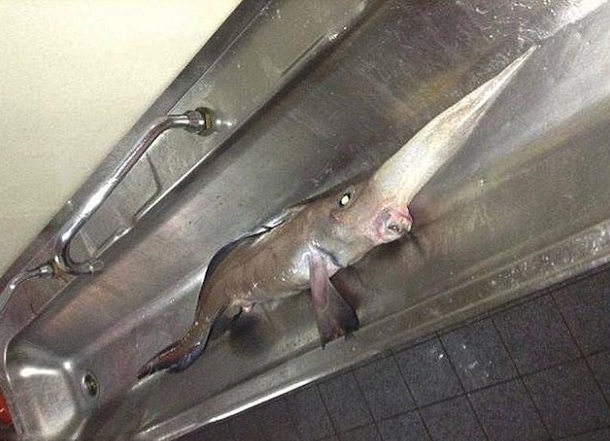
CURRENT CHIMERISM?
Image of the long-nosed chimera in the laboratory, while scientists tried to identify the species. …El término “monstruo” se emplea muchas veces en Biología. It is very useful to describe the appearance of certain species. It is true that sometimes it is used lightly, but in others it is really successful. Como en el caso de la “monstruosa” quimera de nariz larga (Rinhochimaera atlantica), que fue capturada recientemente en las costas de Canadá.
Estos animales tienen un aspecto realmente curioso. Para empezar y como su nombre indica, tienen una nariz muy larga. El hecho de que sea tan largo tiene que ver con su modo de vida. Estos primos de tiburones y rayas viven a una gran profundidad, donde la luz no llega. Para encontrar a sus presas y detectar peligros emplean una serie de receptores nerviosos a lo largo de su nariz.
 PROF. DR. FRANCISCO HERNANDEZ Altemir